Introduction
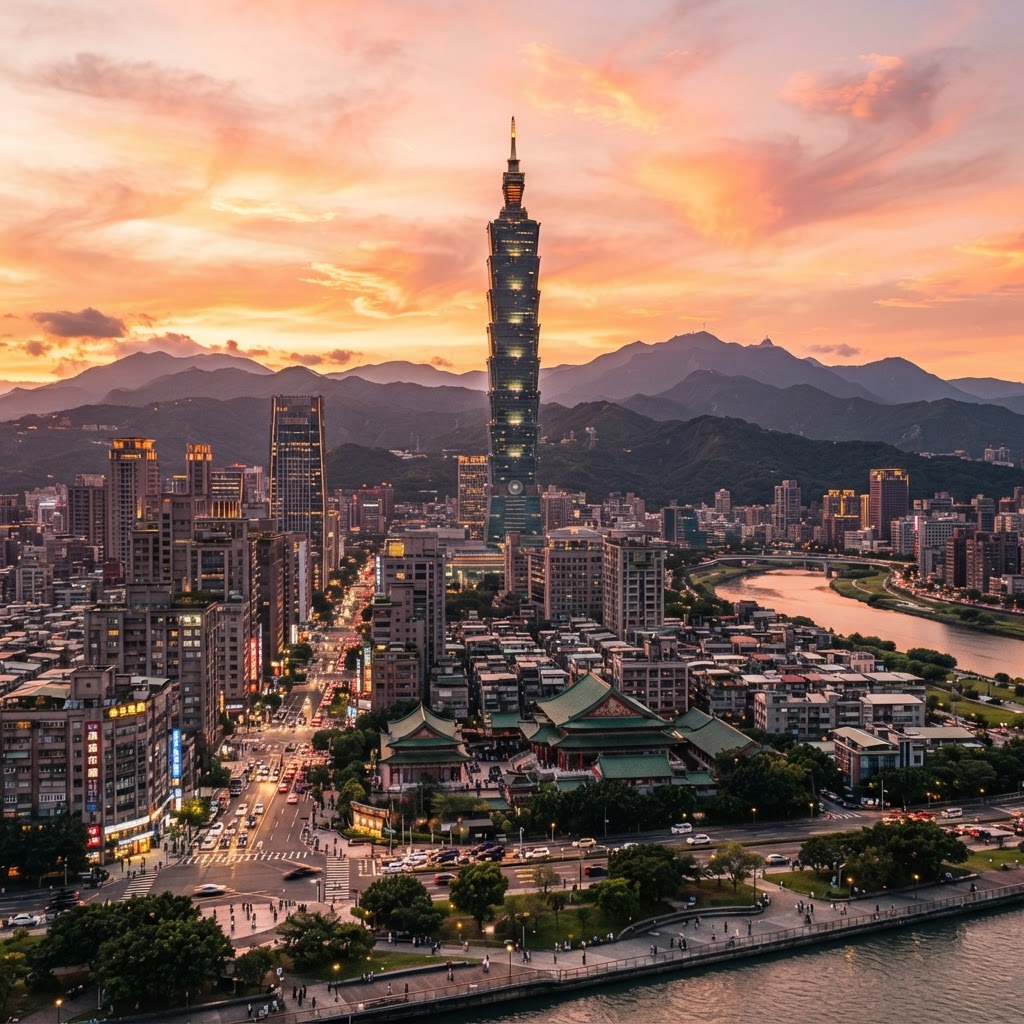
Taiwan is one of Asia's most underrated destinations — a compact island packed with dramatic mountains, vibrant night markets, world-class hot springs, and a fascinating blend of Chinese and Japanese cultural influences. Best of all, Filipino travelers can visit visa-free for up to 14 days, making it one of the most accessible international destinations from Manila.
Spring (March to May) — Cherry Blossoms and Mild Weather
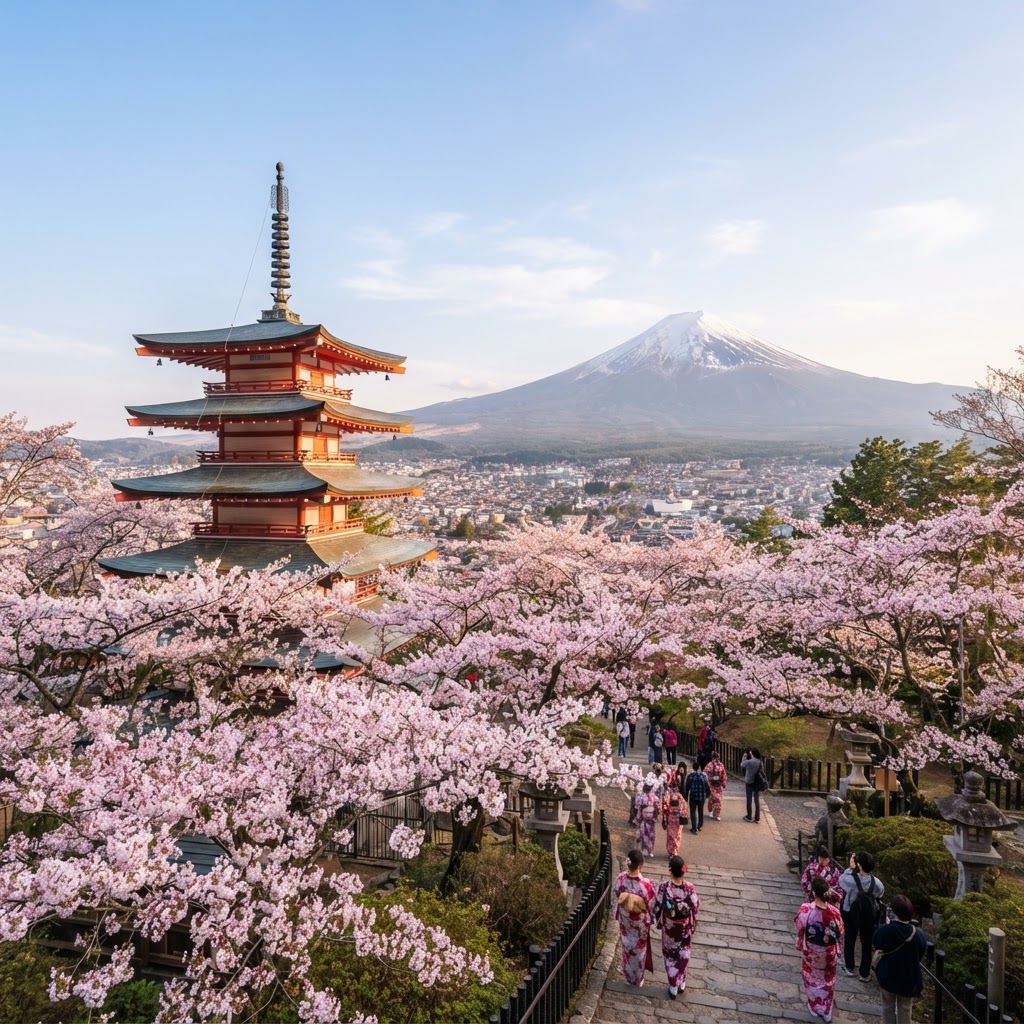
Spring is one of the best times to visit Taiwan. The weather is mild and comfortable (18°C–26°C), and cherry blossoms bloom from February to April, with peak season in March. Alishan and Yangmingshan National Park are the best spots for blossom viewing.
What to expect:
- Cherry blossoms at Alishan, Yangmingshan, and Wuling Farm
- Mild, pleasant weather ideal for sightseeing
- Moderate crowds — busier than winter but not as packed as summer
- Spring lantern festivals in Pingxi
What to pack: Light layers, a light jacket for evenings, and comfortable walking shoes.
Summer (June to August) — Hot, Humid, and Typhoon Season
Summer in Taiwan is hot and humid, with temperatures often exceeding 33°C. It's also typhoon season, which runs from June to October, with the peak in August and September. However, summer is when Taiwan's famous night markets are at their most vibrant, and it's the best time to visit the east coast and Taroko Gorge.
What to expect:
- Hot, humid weather (28°C–35°C)
- Risk of typhoons, especially in August and September
- Lively night markets and beach season in Kenting
- Dragon Boat Festival in June
What to pack: Breathable clothing, rain jacket, umbrella, sunscreen, and insect repellent.
Autumn (September to November) — The Sweet Spot
Autumn is arguably the best season to visit Taiwan. The typhoons have mostly passed, the weather is cool and comfortable (20°C–28°C), and the autumn foliage in the mountains is beautiful. It's the ideal time for hiking, sightseeing, and exploring the island without extreme weather.
What to expect:
- Cool, comfortable weather with low rainfall
- Autumn foliage in Alishan and Taroko Gorge
- Fewer crowds than summer
- Mid-Autumn Festival (September or October, varies by lunar calendar)
What to pack: Light layers, a medium jacket for mountain areas, and comfortable hiking shoes.
Winter (December to February) — Hot Springs and Cool Weather
Winter in Taiwan is mild compared to other East Asian destinations. Taipei averages 14°C–20°C, making it cool but not freezing. It's the perfect season for soaking in Taiwan's famous hot springs, and the mountains may see occasional snow.
What to expect:
- Cool, damp weather (14°C–20°C in Taipei)
- Hot spring season — Beitou, Wulai, and Guguan are at their best
- Fewest tourists of the year
- Lunar New Year celebrations (January or February)
What to pack: Warm layers, a medium jacket, and a light scarf. Thermal underlayers for mountain areas.
So, When Should You Go?
For cherry blossoms: February to April (peak in March).
For the best weather: October to November.
For hot springs: December to February.
For night markets and beaches: June to August (watch for typhoons).
For the best balance: Late October to November.
Practical Tips for Filipino Travelers
- Visa: Filipinos can visit Taiwan visa-free for up to 14 days. Just present your passport, return ticket, and accommodation proof.
- Currency: The New Taiwan Dollar (TWD). Cash is widely used; bring enough or withdraw at ATMs.
- Transportation: Get an EasyCard for Taipei's MRT and buses. The High-Speed Rail connects Taipei to Kaohsiung in 90 minutes.
- Connectivity: Rent a pocket Wi-Fi or buy a local SIM at the airport.
- Food: Don't miss the night markets — Shilin, Raohe, and Fengjia are legendary.
Taiwan is a destination that rewards every season. Whether you're chasing cherry blossoms, soaking in hot springs, or eating your way through night markets, you'll find something to love.