Introduction
South Korea is a year-round destination, but the experience changes dramatically with each season. From pink cherry blossoms in spring to golden autumn leaves and snowy winter landscapes, knowing when to go can make or break your trip. This guide breaks down each season so you can choose the best time to visit Korea based on your interests, budget, and tolerance for crowds.
Spring (March to May) — Cherry Blossom Season
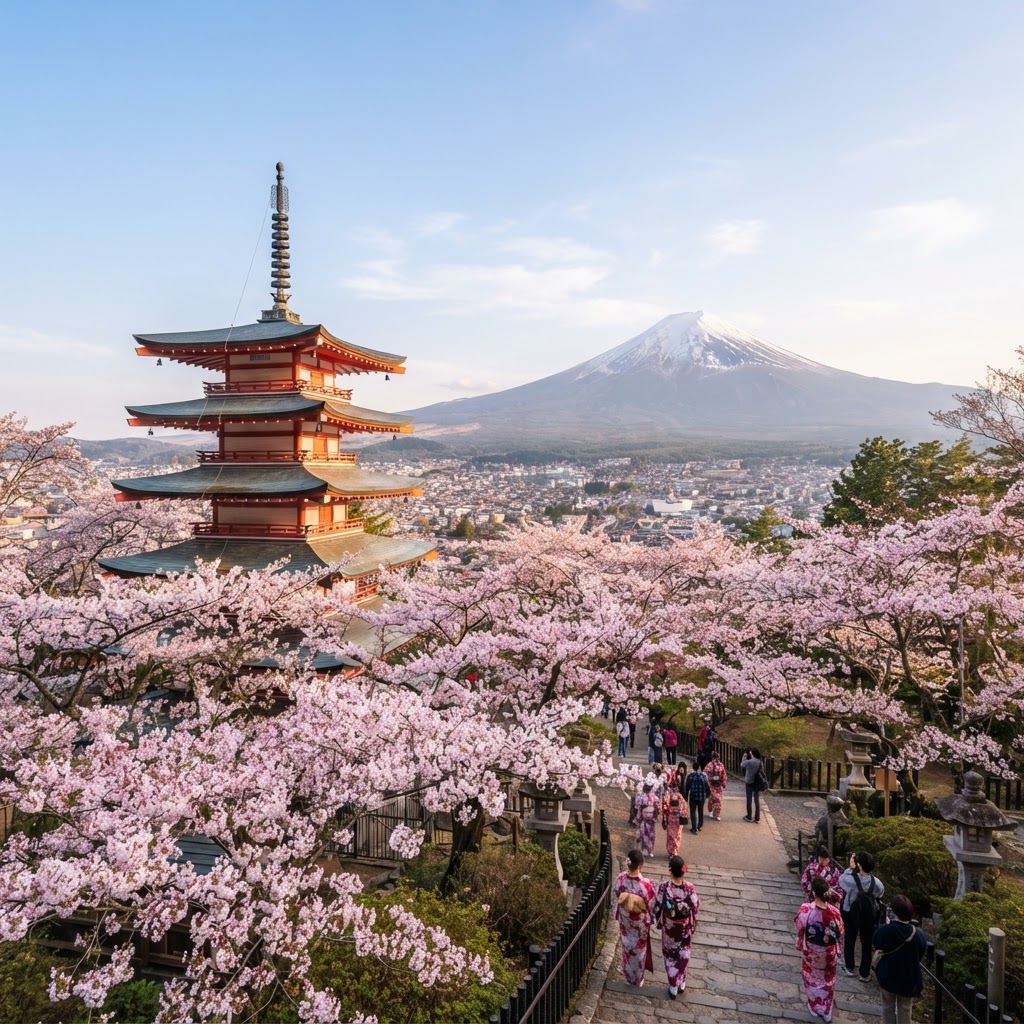
Spring is arguably the most popular time to visit Korea, and for good reason. Temperatures range from a comfortable 10°C to 24°C, making it perfect for walking around cities and parks. The highlight is the cherry blossom season, which typically peaks in early to mid-April in Seoul and Jeju Island.
What to expect:
- Cherry blossoms at Yeouido Park, Seokchon Lake, and Jeju Island
- Mild, pleasant weather ideal for outdoor activities
- Large crowds, especially at popular blossom spots
- Higher airfare and hotel rates
What to pack: Light jacket, layers, comfortable walking shoes, and a light scarf for breezy evenings.
Summer (June to August) — Hot, Humid, and Festival-Heavy
Summer in Korea is hot and humid, with temperatures often exceeding 30°C and frequent rain from late June to July (the monsoon season called jangma). However, it's also when Korea's biggest festivals and beach season happen.
What to expect:
- Hot, humid weather (25°C–35°C) with heavy rains in July
- Beach season in Busan and Jeju
- Major festivals like Boryeong Mud Festival and Seoul Lantern Festival
- Lower airfare compared to spring and autumn
What to pack: Breathable clothing, rain jacket, umbrella, sunscreen, and insect repellent.
Autumn (September to November) — Fall Foliage Season
Autumn is the sweet spot for many travelers. The weather is cool and crisp (10°C–25°C), skies are clear, and the mountains and city parks turn brilliant shades of red, orange, and gold. Fall foliage typically peaks in mid-October to early November in Seoul.
What to expect:
- Stunning autumn foliage at Namsan Park, Seoraksan, and Nami Island
- Cool, comfortable weather perfect for hiking and sightseeing
- Moderate crowds — busy but not as packed as spring
- Harvest festivals and food events
What to pack: Light layers, a medium jacket for evenings, and comfortable hiking shoes if you plan to see the foliage in the mountains.
Winter (December to February) — Snow, Skiing, and Hot Springs
Winter in Korea is cold, with temperatures in Seoul often dropping below freezing. But it's also the season for skiing, snowboarding, hot spring resorts, and magical winter light displays. If you love winter sports or want to experience Korea without the crowds, this is your season.
What to expect:
- Cold weather (-5°C to 5°C in Seoul, colder in the mountains)
- Ski and snowboard season at resorts like Pyeongchang and Vivaldi Park
- Beautiful Christmas and winter light festivals
- Fewer tourists and lower hotel rates (except during Lunar New Year)
What to pack: Heavy winter coat, thermal layers, gloves, hat, and waterproof boots.
So, When Should You Go?
For cherry blossoms: Early to mid-April.
For autumn foliage: Mid-October to early November.
For beach and festivals: July to August.
For skiing and fewer crowds: December to February.
For the best balance of weather and crowds: Late September to October, or late April to May.
Practical Tips for Filipino Travelers
- Visa: Filipino passport holders need a tourist visa. Apply at least 4–6 weeks before your trip.
- Currency: The Korean Won (KRW) is widely used. Exchange money at banks or authorized exchanges for better rates.
- Transportation: Get a T-money card for seamless subway and bus travel.
- Connectivity: Rent a pocket Wi-Fi or buy a local SIM at the airport.
Whatever season you choose, South Korea offers something unforgettable. Plan ahead, book early during peak seasons, and you'll have an incredible trip.