The Challenge of Long-Haul Flights
For Filipino travelers heading to Europe, North America, or the Middle East, long-haul flights of 10–16+ hours are unavoidable. But with the right preparation and strategies, you can arrive at your destination feeling refreshed rather than exhausted. Here's how.
1. Choose the Right Seat
Your seat choice can make or break a long flight. Here's how to pick wisely:
- Aisle seat: Easy access to the bathroom and the ability to stretch your legs. Best for frequent movers.
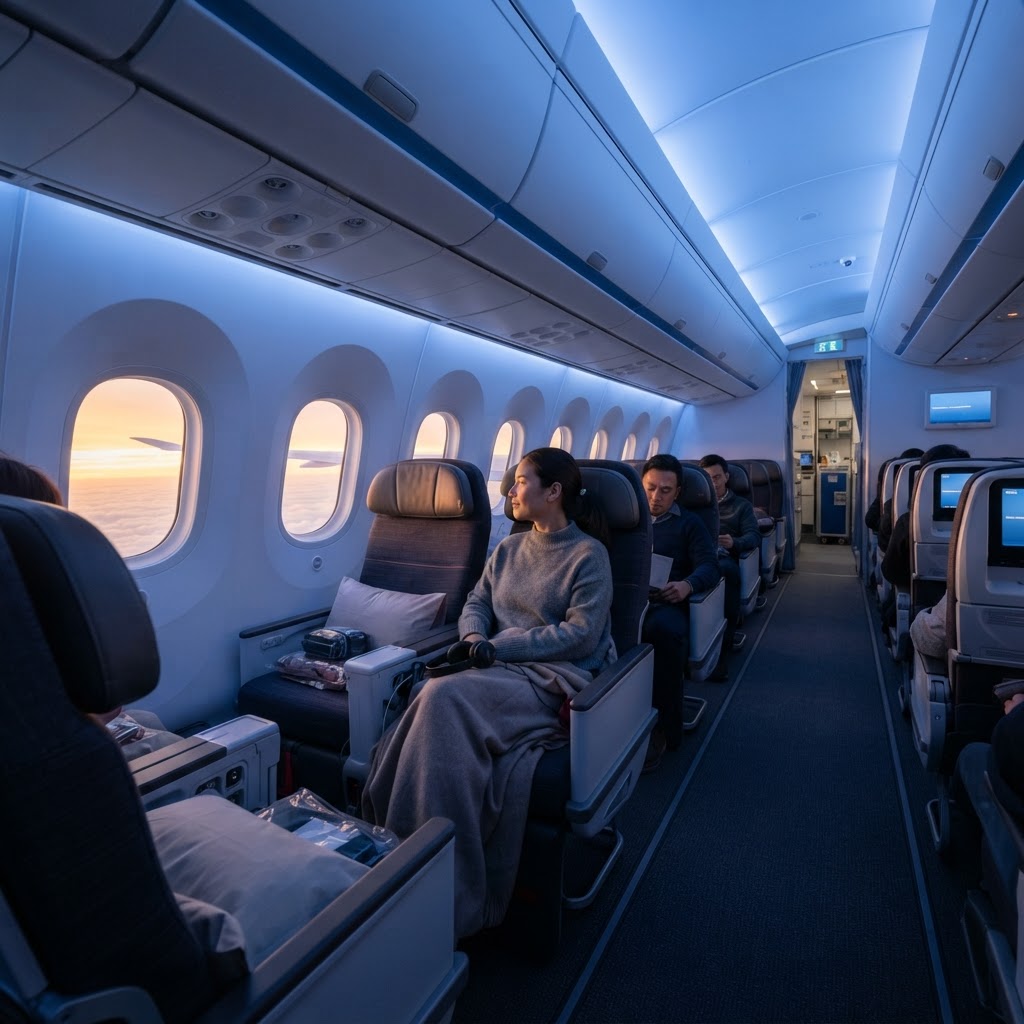
- Window seat: A wall to lean against for sleeping, and you won't be disturbed by neighbors. Best for sleepers.
- Avoid middle seats: You'll be cramped and disturbed from both sides.
- Exit row or bulkhead: Extra legroom, but bulkhead seats may not have under-seat storage, and exit row seats have restrictions on carry-on items during takeoff and landing.
- Check SeatGuru: Before choosing, check the seat map on SeatGuru to avoid seats near bathrooms (noisy and smelly) or with limited recline.
2. Dress for Comfort, Not Style
Long-haul flights are not the time for tight jeans or stiff clothes. Wear:
- Loose, breathable clothing (joggers, leggings, or loose pants)
- Layers — airplanes are often cold, so bring a sweater or light jacket
- Comfortable shoes that are easy to slip on and off (for security and bathroom trips)
- Compression socks to improve circulation and prevent swelling
3. Stay Hydrated
Airplane cabins are extremely dry (humidity often below 20%), which leads to dehydration. Drink water frequently — aim for 250ml per hour of flight. Avoid alcohol and excessive caffeine, as they dehydrate you further and disrupt sleep.
Pro tip: Bring an empty reusable water bottle through security and fill it before boarding. Ask the flight attendant to refill it during the flight.
4. Move and Stretch
Sitting still for hours increases the risk of deep vein thrombosis (DVT) and leaves you stiff and uncomfortable. Every 1–2 hours:
- Get up and walk the aisle
- Do simple stretches in your seat (ankle circles, shoulder rolls, neck stretches)
- Stand near the exit row or galley for a few minutes
5. Manage Your Sleep
If you want to sleep on the flight, prepare for it:
- Neck pillow: A good neck pillow is worth its weight in gold on long flights.
- Eye mask and earplugs: Block out light and noise, especially if you're trying to sleep during meal service.
- Noise-canceling headphones: The best investment for long-haul travel. They dramatically reduce engine noise.
- Blanket: Airline blankets are thin. Bring a light travel blanket or a large scarf.
- Avoid sleeping pills: Unless prescribed by a doctor, avoid sleeping pills on flights — they can cause grogginess and increase DVT risk by keeping you immobile.
6. Pack a Flight Survival Kit
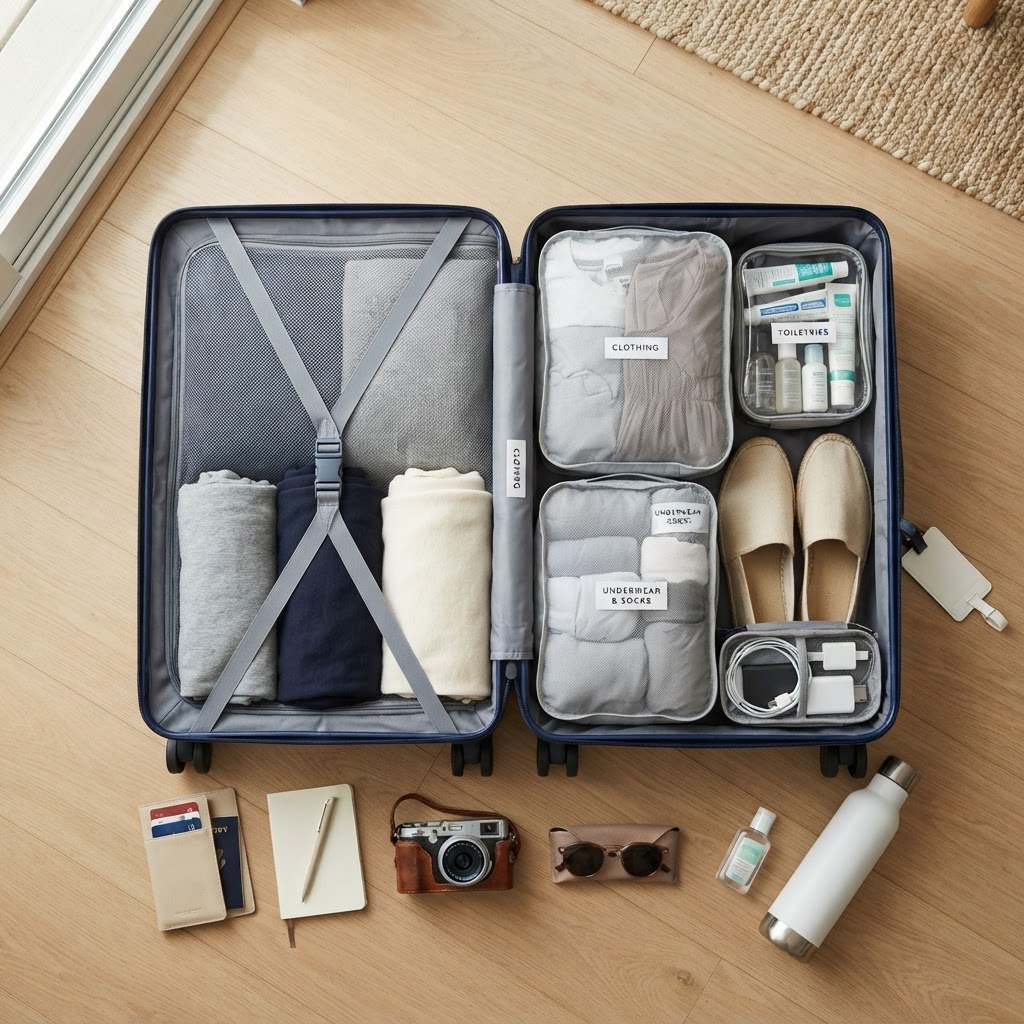
In your carry-on, pack these essentials:
- Toothbrush and toothpaste
- Face wipes or mist
- Moisturizer and lip balm
- Hand sanitizer
- Eye drops (cabin air dries your eyes)
- Snacks (airline food can be limited and bland)
- Phone/tablet with downloaded movies, shows, and music
- Portable charger and charging cable
7. Beat Jet Lag
Jet lag happens when your body's internal clock is out of sync with your destination's time zone. Here's how to minimize it:
- Start adjusting before you fly: A few days before departure, gradually shift your sleep schedule toward your destination's time zone.
- Set your watch to destination time as soon as you board.
- Sleep strategically: If it's nighttime at your destination, try to sleep. If it's daytime, stay awake.
- Get sunlight: Natural light is the most powerful signal for your body clock. Spend time outdoors when you arrive.
- Stay hydrated: Dehydration makes jet lag worse.
- Avoid heavy meals: Light meals are easier on your body during the adjustment period.
8. Choose Your Food Wisely
Airline food is often heavy and salty, which can make you feel bloated and uncomfortable. Consider:
- Ordering a special meal (vegetarian, low-sodium, or fruit platter) — these are often fresher and lighter
- Eating light before and during the flight
- Avoiding gas-producing foods (beans, cabbage, carbonated drinks) — cabin pressure makes gas expand, causing discomfort
9. Keep Entertained
Boredom makes long flights feel even longer. Download before you fly:
- 2–3 movies or full seasons of a TV show
- A podcast or audiobook playlist
- An offline game or two
- A book or e-book
Don't rely on in-flight Wi-Fi — it's often slow, expensive, or unavailable.
10. Freshen Up Before Landing
About an hour before landing, visit the bathroom to brush your teeth, wash your face, and freshen up. You'll feel much more human when you step off the plane.
Final Thoughts
Long-haul flights don't have to be miserable. With the right preparation — comfortable clothes, good entertainment, strategic sleep, and plenty of hydration — you can arrive at your destination ready to explore. The key is to take care of your body and mind throughout the journey. Safe travels!