Why Budgeting Matters
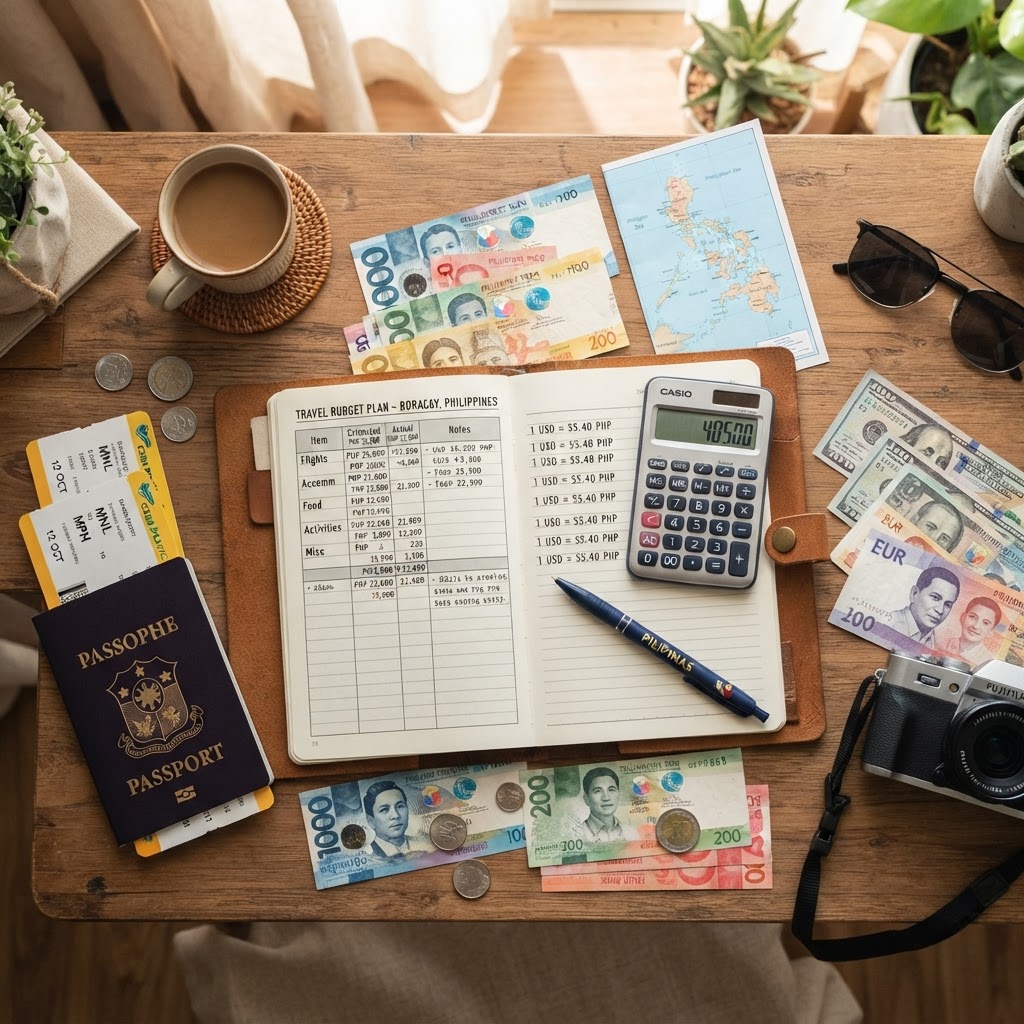
A well-planned budget is the difference between a stress-free trip and one where you're constantly worrying about money. By breaking down your expenses before you go, you can enjoy your trip knowing you've prepared for every scenario.
Step 1: Determine Your Destination and Duration
Your budget starts with where you're going and how long you're staying. A 5-day trip to Hong Kong will cost very differently from a 10-day trip to Europe. Research the cost of living at your destination — a quick search for "cost of travel in [destination]" will give you a baseline.
Step 2: Break Down Your Expenses
Every travel budget has five major categories:
1. Flights (25–35% of total budget)
This is usually your biggest single expense. To save:
- Book 2–3 months in advance for international flights
- Use flight comparison tools and set price alerts
- Be flexible with your travel dates — mid-week flights are cheaper
- Consider budget airlines, but factor in baggage fees
2. Accommodation (20–30% of total budget)
Options range from hostels to luxury hotels. To save:
- Book early, especially during peak season
- Consider Airbnb or vacation rentals for longer stays
- Location matters — staying slightly outside the city center can save a lot
- Look for hotels with free breakfast to save on one meal a day
3. Food and Drinks (15–25% of total budget)
Food is one of the best parts of travel, but it can also drain your budget. To save:
- Eat where the locals eat — street food and local restaurants are cheaper and often better
- Cook some meals if your accommodation has a kitchen
- Set a daily food budget and stick to it
- Carry a water bottle and refill it to avoid buying drinks constantly
4. Transportation (10–15% of total budget)
This includes airport transfers, local transport, and intercity travel. To save:
- Use public transportation instead of taxis
- Get a transport pass (like Japan's JR Pass or Korea's T-money card)
- Walk when distances are short — it's free and you see more
5. Activities and Sightseeing (10–20% of total budget)
Entrance fees, tours, and experiences. To save:
- Prioritize must-see attractions and skip the rest
- Look for free walking tours and free museum days
- Book tours in advance for discounts
Step 3: Add a Buffer
Always add 10–15% to your total budget as a buffer for unexpected expenses — a missed train, a medical emergency, or that souvenir you just can't resist. This buffer gives you peace of mind and prevents you from running out of money mid-trip.
Step 4: Track Your Spending
Use a simple spreadsheet or a budgeting app to track what you spend each day. This helps you stay on track and adjust if you're overspending in one category. Many travelers are surprised to find they spend more on food than they planned.
Step 5: Save Before You Go
Once you have your budget, work backwards to figure out how much you need to save each month. If your trip costs ₱80,000 and you have 8 months to save, that's ₱10,000/month. Set up a separate savings account and automate your transfers.
Sample Budget: 5-Day Korea Trip
| Category | Estimated Cost |
|---|---|
| Flights (roundtrip) | ₱15,000–25,000 |
| Accommodation (4 nights) | ₱8,000–15,000 |
| Food (5 days) | ₱5,000–8,000 |
| Transportation | ₱2,000–4,000 |
| Activities | ₱3,000–6,000 |
| Visa & miscellaneous | ₱2,000–3,000 |
| Total | ₱35,000–61,000 |
Final Tips
- Pay in local currency, not pesos, to get better exchange rates
- Notify your bank before you travel so your card isn't blocked
- Carry multiple payment methods — cash, credit card, and a backup
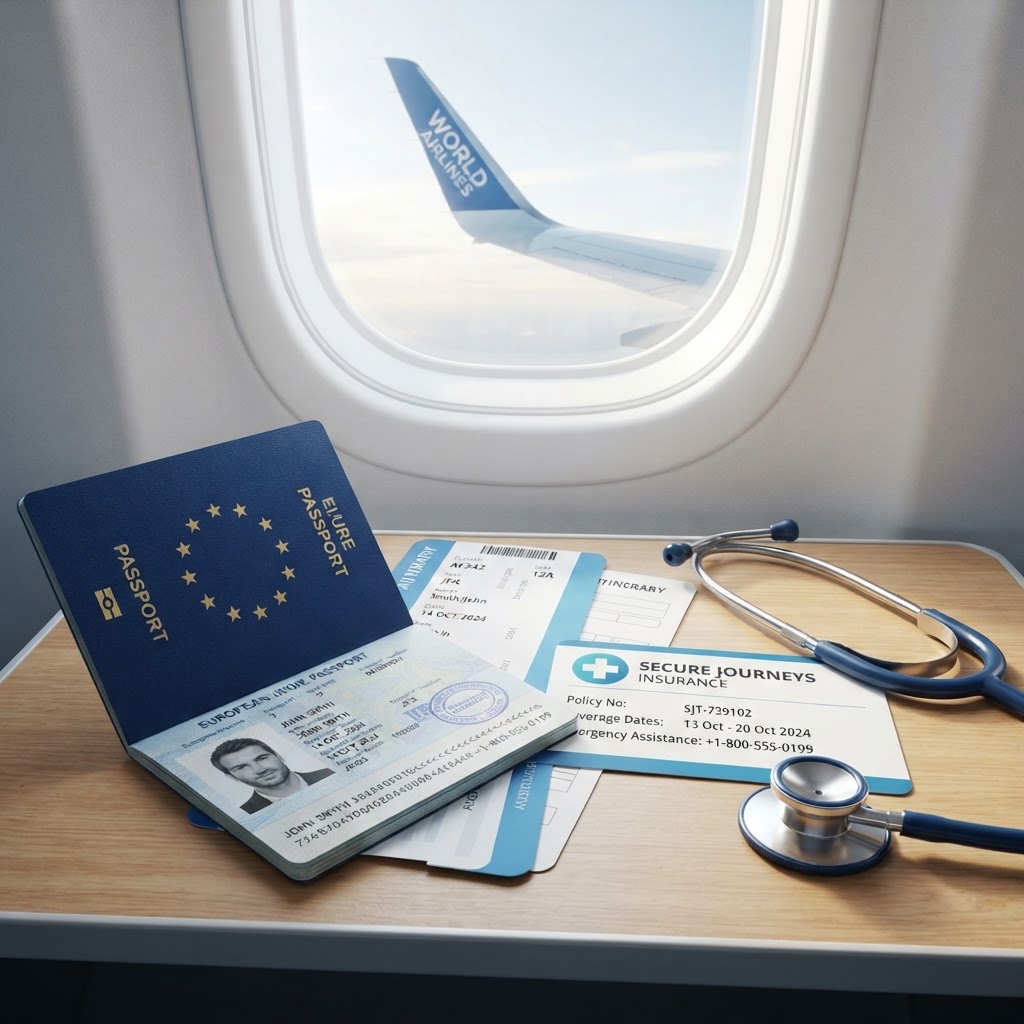
- Travel insurance is not optional — it's a necessity, not a luxury
With a solid budget, you can travel confidently and focus on enjoying the experience rather than worrying about money. Plan ahead, save consistently, and your dream trip is within reach.